Running CBD ethanol extraction at -50 °C solves one problem and creates several others. The cold ethanol pulls less chlorophyll, wax, and plant color from hemp biomass, which can make downstream refinement cleaner. But the colder the solvent gets, the less forgiving the system becomes. Pumps, seals, filtration, heat load, electrical classification, and vapor control all start to matter more.
PureyMech builds low temperature ethanol extraction and concentration systems around that reality. The system can combine an ethanol chilling section, extraction centrifuge, filtration section, falling film evaporation, concentration, solvent recovery, and later process modules when the project needs them. The equipment can be supplied as a modular skid system, with ATEX, IECEx, or C1D1 explosion proof options according to the project location and hazardous area design.
Why -50 °C extraction changes the job
Cold ethanol extraction is attractive because temperature gives processors a practical way to control what the solvent takes from the biomass. At about -50 °C, ethanol can still carry cannabinoids, while waxes, fats, and chlorophyll are less willing to move into the extract.
The tradeoff is mechanical. Ethanol viscosity rises at low temperature. Heat leaks into the system through piping, valves, vessels, and transfer points. Moisture can condense or freeze where operators least want it. If the extraction section, solvent feed, and centrifuge are treated as separate machines instead of one process, temperature swings show up quickly in batch consistency.
Where the process usually gets difficult
The first difficult point is solvent temperature control. A chiller may be rated for low temperature, but the actual extraction temperature depends on solvent inventory, pipe length, insulation quality, transfer time, and how much warm biomass enters each batch.
The second point is solids handling. Hemp biomass does not behave like a clean liquid stream. Particle size, loading density, soak time, spin speed, and discharge method all affect yield and repeatability. A centrifuge that is too small becomes a bottleneck. A centrifuge that is not integrated with chilling and filtration can force operators to compensate manually.
The third point is solvent vapor and safety. Ethanol is flammable, and low temperature does not remove that risk. Electrical classification, grounding, bonding, ventilation, leak control, solvent inventory, and emergency procedures have to be considered early. For some projects, that means ATEX. For others, IECEx or C1D1 is the better match. The final choice should follow local code, the room classification, and the authority having jurisdiction.
How PureyMech builds the system
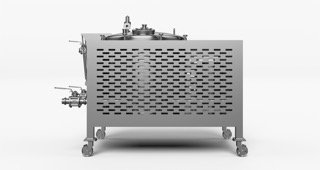
PureyMech designs the extraction line as a connected process instead of a collection of loose equipment. A typical CBD low temperature ethanol extraction system can start with bulk ethanol chilling, then move through centrifuge extraction, liquid solid separation, filtration, evaporation, and concentration.
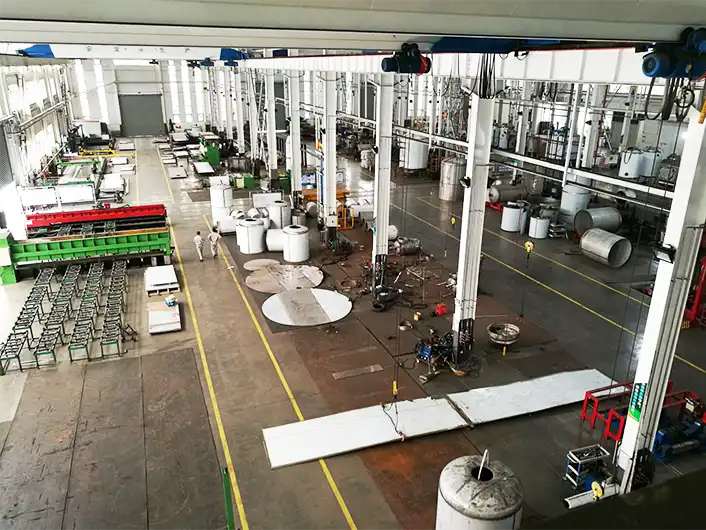
For projects that need a compact installation, the process can be built as modular skids. This layout reduces field assembly work and makes it easier to test piping, valves, instruments, and controls before shipment. It also gives the buyer a clearer way to expand later, for example by adding a decarboxylation tank, molecular distillation system, or isolation skid.
The equipment can be specified with explosion proof electrical components where the project requires them. PureyMech can discuss ATEX, IECEx, and C1D1 options during the design stage, because those choices affect motors, instruments, panels, wiring methods, sensor selection, and documentation. Waiting until the equipment is already built is usually expensive.
System features buyers usually ask about
- Designed for low temperature ethanol extraction down to -50 °C, depending on the selected refrigeration package and operating conditions.
- Modular skid construction for chilling, extraction, filtration, evaporation, and concentration sections.
- Optional ATEX, IECEx, or C1D1 explosion proof configuration for suitable hazardous area projects.
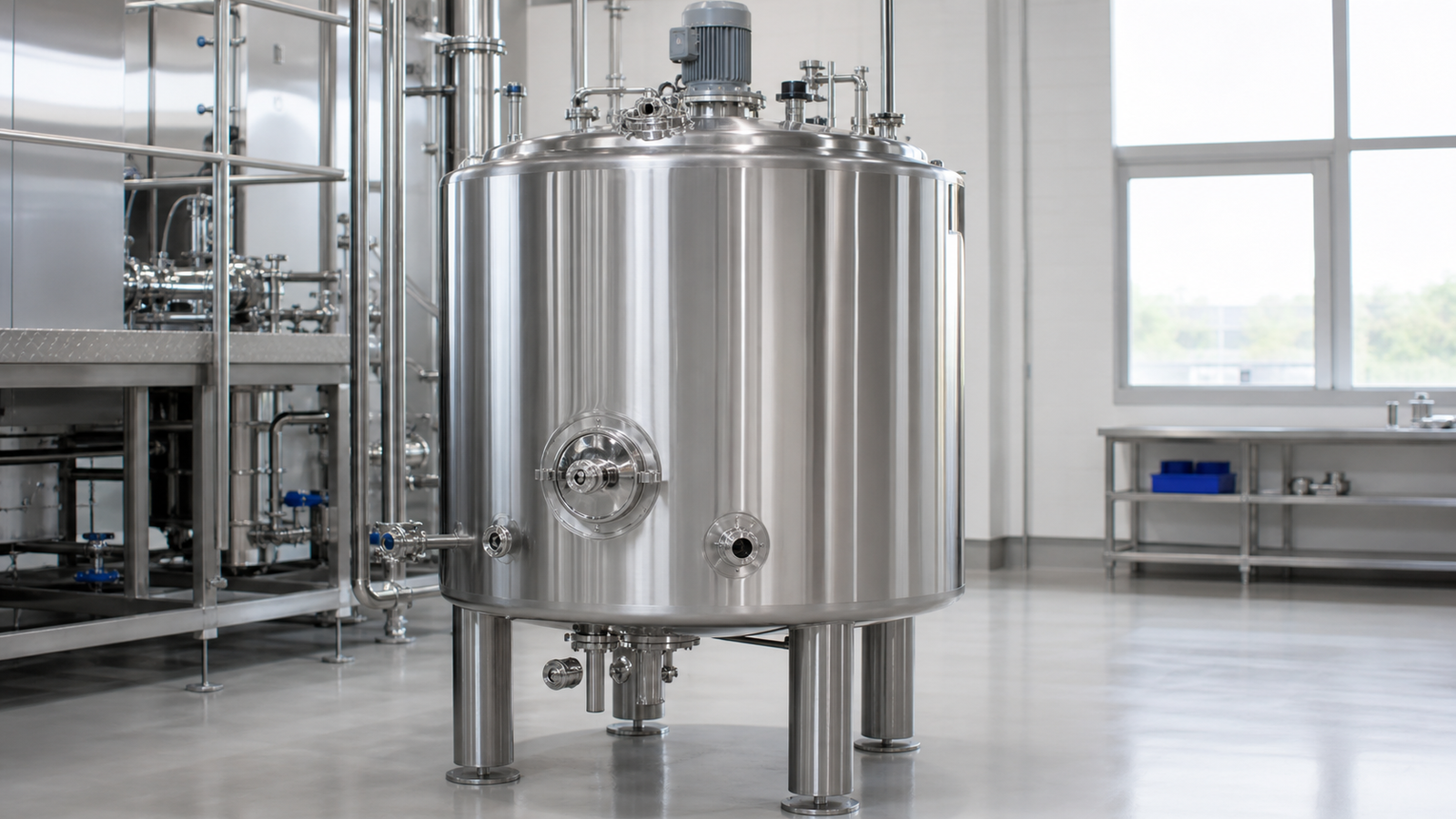
- Stainless steel contact parts, sanitary process design options, insulated low temperature piping, and clean transfer routes.
- Closed solvent transfer and recovery layout to reduce ethanol loss and make operation easier to control.
- PLC and HMI control options for temperature, pump operation, vacuum, level, and process sequencing.
- Capacity planning based on biomass input, target batch time, solvent ratio, recovery rate, and final crude oil concentration.
Concentration and solvent recovery after extraction
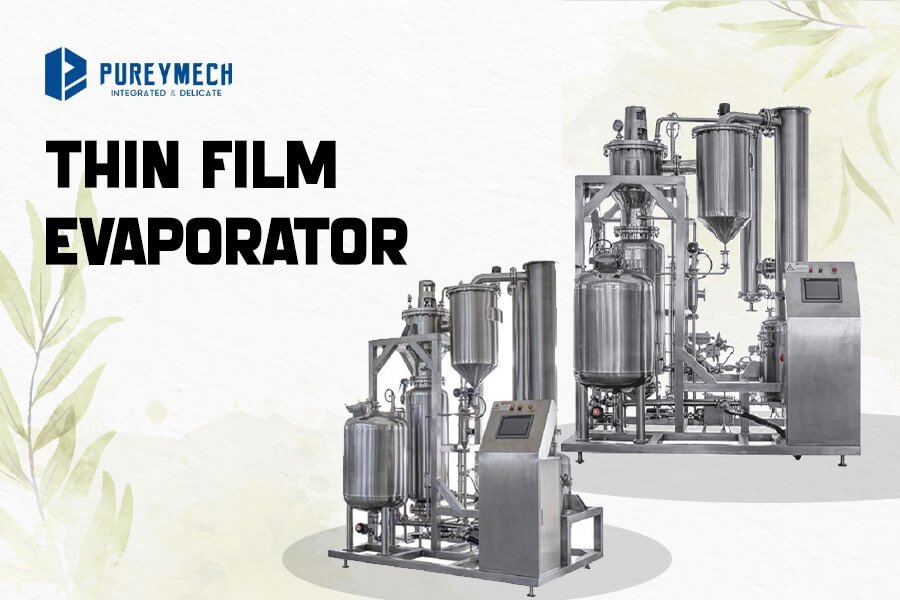
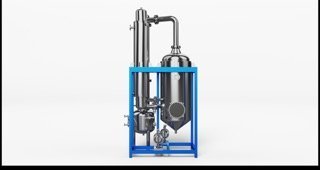
Extraction is only the first half of the work. After filtration, the ethanol rich extract needs controlled solvent recovery and concentration. A falling film evaporator is often used because it can remove ethanol efficiently under vacuum with a short residence time. That matters for processors who want stable crude oil quality and lower solvent loss.
The concentration section should be sized from the extraction rate, not chosen afterward as a generic evaporator. If the evaporator cannot keep up, extraction batches wait. If recovery is unstable, solvent inventory becomes harder to manage and operating cost rises. PureyMech can match evaporation, condenser duty, vacuum, receiving tanks, and controls to the extraction capacity.
What to confirm before ordering
Before selecting a CBD ethanol extraction and concentration system, buyers should confirm the daily biomass target, starting moisture, desired solvent ratio, batch cycle, extraction temperature, local hazardous area rules, available utilities, and the preferred level of automation. These details affect nearly every part of the system.
PureyMech can review the process route and recommend equipment from its ethanol extraction equipment range. For serious projects, the useful conversation is not only about machine size. It is about whether the chilling, extraction, filtration, concentration, solvent recovery, and safety design will work together under real plant conditions.
about
PureyMech
Optimizing industry solutions & production with experience, expertise and excellence. Globally trusted manufacturing hub.